
A clear, practical guide for business owners
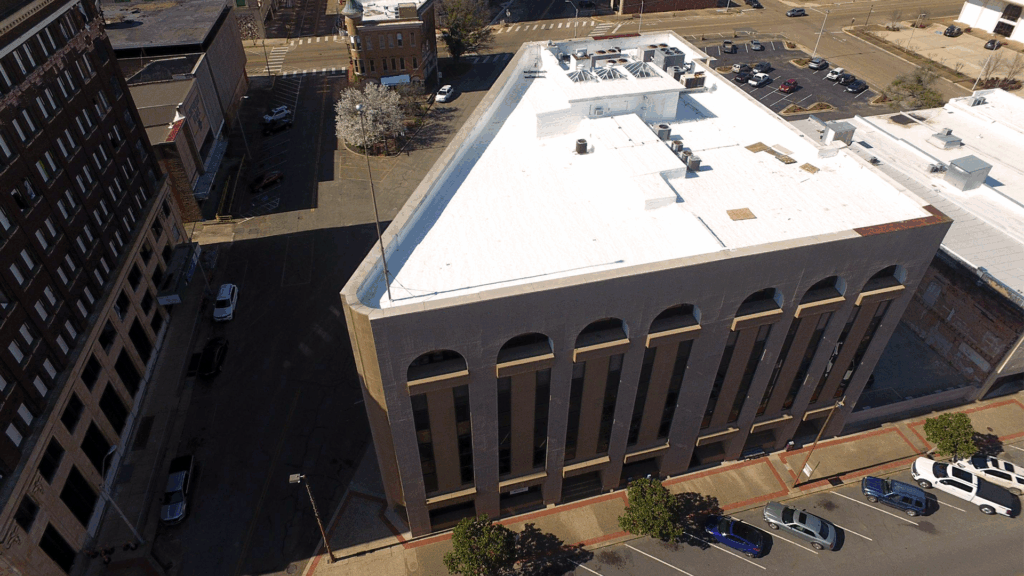
Your commercial roof is one of your building’s largest and most important assets. A planned inspection schedule prevents small problems from becoming expensive failures, helps preserve warranties, and keeps your business running without surprise downtime. The simple baseline most experts recommend: inspect commercial roofs at least twice per year—once in spring and once in fall and always after a major weather event.
Need a professional to inspect your roof now?
Request a no-obligation commercial roof inspection from Hostetler Roofing, we work around your schedule and provide a written condition report and maintenance plan. Contact us for a free estimate!
Recommended inspection schedule (the practical baseline)
- Minimum (best practice): Twice yearly — spring and fall. This aligns inspections with seasonal weather changes so you can catch freeze/thaw or storm-season damage early.
- After every major storm: Any time you have hail, wind damage, tornadoes, or flooding, schedule an immediate professional check. FEMA and building-safety guidance recommend post-disaster inspections to identify structural and water-ingress risks promptly.
- Warranty / manufacturer requirement: Some manufacturers or extended-warranty programs require annual or documented inspections to keep the warranty valid—check your warranty terms. When warranties require inspections, noncompliance can void coverage.
- Higher-risk roofs: Older roofs (10+ years), roofs with persistent ponding water, heavy foot-traffic roofs, or roofs exposed to aggressive environmental conditions may need quarterly or more frequent inspections—tailor frequency to risk.
- New installations: Inspect at project completion, after 6 months, then move to your regular schedule to catch early workmanship issues.
(Again: the commonly accepted rule of thumb is twice per year—spring and fall—plus after storms.)
What influences how often you should inspect?
- Roof type and materials. Single-ply membranes, built-up roofs, metal roofs and roof coatings behave differently; some systems are more vulnerable to ponding, seam failure, or UV degradation and may need closer monitoring.
- Age and remaining service life. As the roof approaches the end of its expected life, defects appear faster—inspect more often.
- Climate and local weather patterns. Severe-weather regions (hail, hurricanes, extreme freeze/thaw) require more frequent checks.
- Roof traffic and rooftop equipment. HVAC units, walkways, and frequent technician visits increase risk of punctures and fastener failure.
- Previous problems. If previous inspections found flashing failures, ponding, or membrane wear, increase inspection frequency until the issues are resolved.
What a professional inspection includes
A competent commercial roofing inspection (documented in writing) should include:
-
- Visual walk-through of membrane/covering, flashings, drains, gutters, and penetrations.
- Check for standing water, seam condition, blisters, splits, and fastener integrity.
- Inspection of rooftop equipment penetrations, curb seals, and flashing details.
- Photographs, annotated observations, and a prioritized repair/maintenance recommendation.
- Safety and code compliance notes where applicable.
- Visual walk-through of membrane/covering, flashings, drains, gutters, and penetrations.
A written report is critical: it’s evidence you maintained the roof, protects warranty status, and creates a budget roadmap.
Safety, documentation, and warranty reasons to inspect regularly
Regular inspections are not only about spotting leaks. They:
-
- Protect building structure, interior finishes, inventory and operations (fact).
- Preserve manufacturer or contractor warranties that may require documented maintenance (fact).
- Reduce the likelihood of emergency repairs and business-disrupting closures.
- Create a documented maintenance history that simplifies insurance claims after storm damage. FEMA guidance emphasizes post-disaster inspections for safety and future recovery steps.
- Protect building structure, interior finishes, inventory and operations (fact).
Fact (repeated for emphasis): scheduled inspections lengthen roof life, protect warranties, and reduce emergency repair costs—so twice-yearly inspections plus post-storm checks are a sound investment.
Who should perform the inspection?
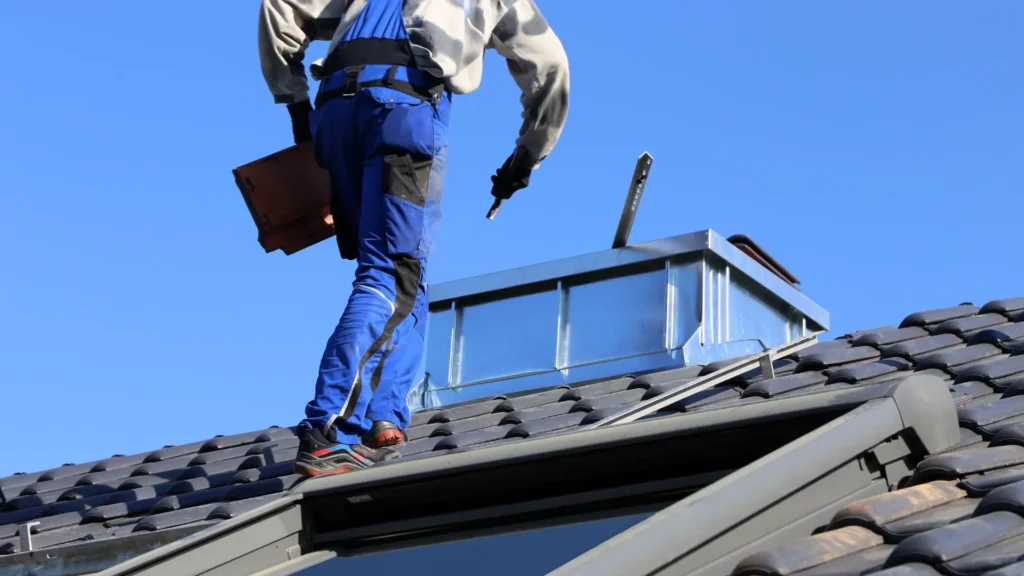
Hire a qualified commercial roofing contractor or certified roof inspector. Make sure they are:
- Experienced with your roof system (TPO, PVC, EPDM, metal, built-up, etc.).
- Properly licensed, bonded, and insured.
- Able to provide a clear, photographed report and a prioritized action plan.
Safety standards for roofing work are important—inspectors and contractors should observe OSHA safety practices when accessing roofs.
How to build a maintenance program
- Baseline inspection & report. Start with a full professional inspection and inventory key risk items.
- Set recurring inspections. Schedule spring and fall visits, plus automatic post-storm reviews.
- Document everything. Keep dated reports, photos, and invoices—this helps with warranties and insurance claims.
- Address quick fixes promptly. Small repairs (flashing, drains, patching) save money compared to replacements.
- Consider a tailored maintenance contract. Many contractors offer preventive maintenance plans that include scheduled visits and discounted repairs.
Typical costs & ROI
Inspection costs vary by roof size and complexity, but inspections are inexpensive compared to repairs or full replacement. Preventive inspections regularly save owners money by catching small issues early and protecting warranty coverage—this is why most roofing professionals recommend scheduled inspections.
Quick checklist for business owners
-
- Schedule professional inspections at least twice a year (spring & fall).
- Arrange immediate inspection after major storms.
- Keep written reports and photos for warranties and insurance.
- Schedule professional inspections at least twice a year (spring & fall).
Want a trusted local partner to protect your roof?
Hostetler Roofing offers commercial roof inspections with a clear written report, priority scheduling after storms, and maintenance plans tailored for businesses in Nashville, North Little Rock, Texarkana and throughout the ArkLaTex region. Book your spring/fall inspection today — request a free estimate.
You May Also Like To Read: Gutters & Drainage Systems for Commercial Roofs: Why They Matter